Wool comforters are prized for natural temperature regulation, moisture management, and durable insulation. This category highlights comforters crafted with high-quality wool blends that balance warmth with breathability. Understanding fiber properties helps users select a piece that adapts to varying climates, ensuring comfort across different seasons and sleeping preferences.
Key features to consider include fill power, weight, and weave type, which influence loft, warmth, and durability. Wool comforters often incorporate breathable inner linings and stitching patterns that minimize shifting and clumping. For users seeking sustainable options, wool offers renewable sourcing and a lower environmental footprint compared to some synthetic materials.
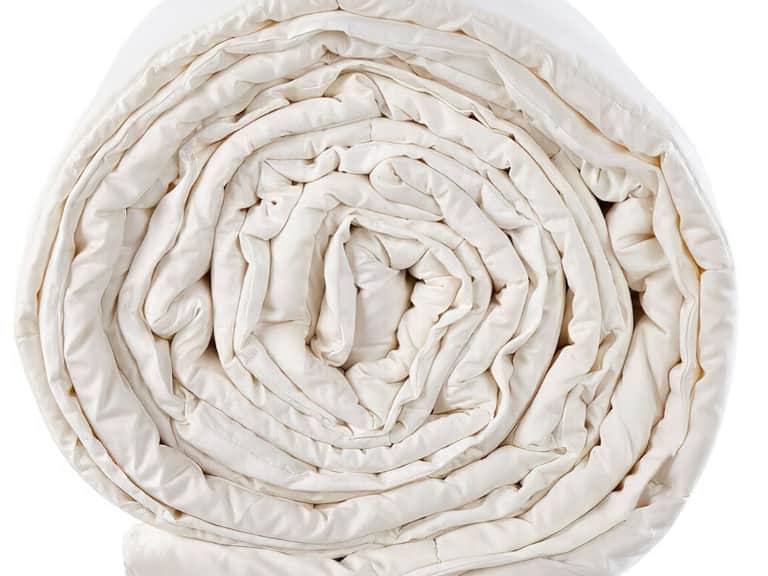
Within the Sleep and Beyond lineup, the myComforter and Light models illustrate how wool can provide cozy warmth without excessive bulk. Sleep and Beyond emphasizes fiber purity, allergy considerations, and easy-care guidelines, helping sleepers choose a comforter that aligns with personal comfort levels and maintenance routines.
When evaluating comforters, consider heat-retention characteristics, loft stability, and the ability to wick moisture away from the body. Wool’s hygroscopic nature helps regulate microclimates, potentially reducing nighttime overheating. Pairing a wool comforter with appropriate bedding layers such as sheets and pillow choices can optimize overall sleep comfort.
Practical uses extend beyond seasonal warmth: wool comforters can function as layered comfort on cool nights, as a lightweight option in milder climates, or as a transitional piece for varying indoor temperatures. Understanding these applications alongside keywords like bedding, pillows, sheets, adjustable beds, and comforters assists in informed, long-term bedding decisions.
 Bedding